"I've been reading about NAD+ IV therapy for energy and anti-aging, and I'm interested, but then I started googling side effects and got a little spooked. Some sites mention nausea and flushing, others mention chest tightness, and one even mentioned liver issues. I don't know what's actually common and expected versus what's rare and something I should genuinely worry about. I just want an honest breakdown of NAD therapy side effects before I book, not a scary internet spiral or a sales page pretending there's zero risk."
Most reactions are mild, short-lived, and directly tied to how fast the infusion is given: flushing, nausea, headache, and a brief feeling of chest tightness are the most commonly reported reactions, and they typically ease up when the drip is slowed down. Rare but more serious reactions, like allergic responses or changes in liver enzymes, can happen too, though they’re uncommon and more likely when treatment isn’t properly supervised. Here’s an honest look at what’s actually common, what’s rare, and what would genuinely warrant a call to your provider.
Key Takeaways
Most side effects are mild and rate-dependent.
Flushing, nausea, and headache are the most common, and slowing the infusion helps.
The mechanism is understood.
NAD causes blood vessel dilation and muscle contraction, which explains most common reactions.
Hydration and pacing matter.
A slower infusion and proper hydration significantly reduce how side effects feel.
Serious reactions are rare.
Allergic responses and liver enzyme changes can occur but aren’t common with proper supervision.
NAD+ IV therapy isn't FDA-approved for most uses.
It’s important to know this going in, alongside the safety data that does exist.
Medical supervision genuinely matters.
Screening, monitoring, and a licensed provider reduce risk meaningfully.
Why Do NAD Therapy Side Effects Happen?
Most common reactions trace back to a specific, understood mechanism. NAD causes blood vessels to dilate and can trigger mild smooth muscle contraction, which is why flushing, warmth, nausea, and that brief tight feeling in the chest show up during infusion. This isn’t random or unpredictable, it’s a direct physiological response to how quickly NAD enters your system.
That’s exactly why infusion speed matters so much. When NAD is pushed in quickly, these effects tend to be more noticeable. When it’s given as a slower drip, typically over two to four hours rather than a rapid push, the same total dose usually produces much milder reactions, sometimes none at all. Understanding what is NAD+ therapy and how it actually works in the body makes this dose-rate relationship easier to understand.
It’s also worth knowing that this dose-rate issue is specific to IV delivery. Comparing NAD+ IV therapy vs oral supplements shows why the two routes carry a different side effect profile entirely.
The Most Common Reactions
These are the side effects reported most often, and nearly all of them are mild and temporary.
1. Flushing or a Warm Feeling
A sensation of warmth or visible flushing, similar to a niacin flush, is one of the most frequently reported effects, caused by the blood vessel dilation NAD triggers. It typically passes within a short time and isn’t considered dangerous.
2. Nausea or Stomach Discomfort
Some people feel queasy or experience mild stomach cramping during the infusion, especially if it’s running quickly. This usually eases when the drip is slowed or paused briefly.
3. Headache
A headache or feeling of pressure in the head can occur during or shortly after treatment. It’s typically mild and resolves on its own within a few hours.
4. Dizziness or Lightheadedness
Some people notice mild dizziness during the session, which generally improves once the infusion rate is adjusted or the session is complete.
5. Chest Tightness
A brief sensation of tightness or pressure in the chest can occur, related to the same smooth muscle response behind flushing. It’s usually transient, but your provider should always be monitoring for this and be ready to slow or pause the infusion if it happens.
6. Injection Site Reactions
Mild redness, tenderness, or discomfort at the IV site is common with any infusion therapy and typically resolves quickly without intervention.
7. Fatigue
Some people feel unexpectedly tired for a short period after treatment, which usually passes within a day.
Rare but Serious Side Effects to Know About
Beyond the common, mild reactions above, a small number of more serious risks exist, though they’re uncommon, especially with proper medical supervision:
- Allergic reactions, including rash, itching, or difficulty breathing, which require immediate medical attention.
- Temporary changes in liver enzymes, more often associated with higher doses, which is part of why screening and monitoring matter.
- Injection site infection, which is rare but more likely if treatment isn’t administered in a properly regulated, sterile setting.
These aren’t reasons to assume NAD therapy is unsafe, they’re exactly why medical screening, licensed administration, and proper monitoring exist in the first place.
Most people pursuing treatment are looking for the effects described in how NAD+ IV drips help combat fatigue, burnout, and brain fog, and understanding the realistic side effect picture alongside those goals leads to a much better-informed decision.
How to Minimize These Reactions
A few factors make the biggest difference in how a session actually feels:
- A slower infusion rate. Spreading the dose over a longer drip, rather than pushing it quickly, is the single biggest factor in reducing common side effects.
- Proper hydration. Being well hydrated before and during treatment helps your body handle the infusion more comfortably.
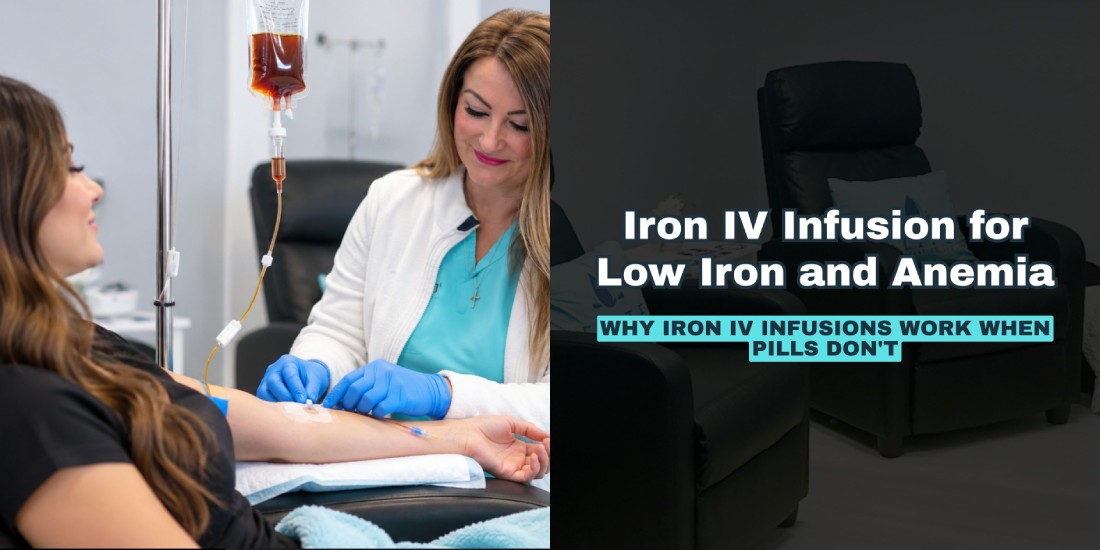
- A licensed, experienced provider. Proper screening and monitoring catch potential issues early and allow real-time adjustments if you’re uncomfortable.
- Honest communication during your session. Telling your provider immediately if something feels off allows them to slow or pause the infusion right away.
When Should You Actually Be Concerned?
Mild flushing, brief nausea, or a passing headache are expected and not something to panic about. What does warrant immediate attention is any sign of a true allergic reaction, difficulty breathing, widespread rash, or facial swelling, chest pain that doesn’t ease when the infusion is slowed, or any symptom that feels significantly more intense than the mild reactions described above. If anything like this happens, tell your provider immediately so the infusion can be stopped and addressed.
Outside of your actual session, contact your provider if you notice unusual symptoms in the days afterward, since this helps rule out anything beyond the typical short-lived reactions most people experience.
Frequently Asked Questions
Are NAD therapy side effects dangerous?
Most are not. The common side effects, flushing, nausea, headache, and mild dizziness, are generally mild, short-lived, and directly related to infusion speed. Serious reactions like allergic responses are rare, especially when treatment is properly supervised by a licensed provider.
How long do these reactions last?
Most common side effects resolve within a few hours of treatment, and many ease up during the session itself once the infusion rate is adjusted. Fatigue is the exception that can occasionally linger for closer to a day.
Is NAD+ IV therapy FDA-approved?
NAD+ IV therapy is not FDA-approved for most of the uses it’s commonly offered for, and it’s worth knowing that going in. Providers should be transparent about this, and it’s part of why choosing a licensed, medically supervised setting matters.
Who should be extra cautious before starting NAD therapy?
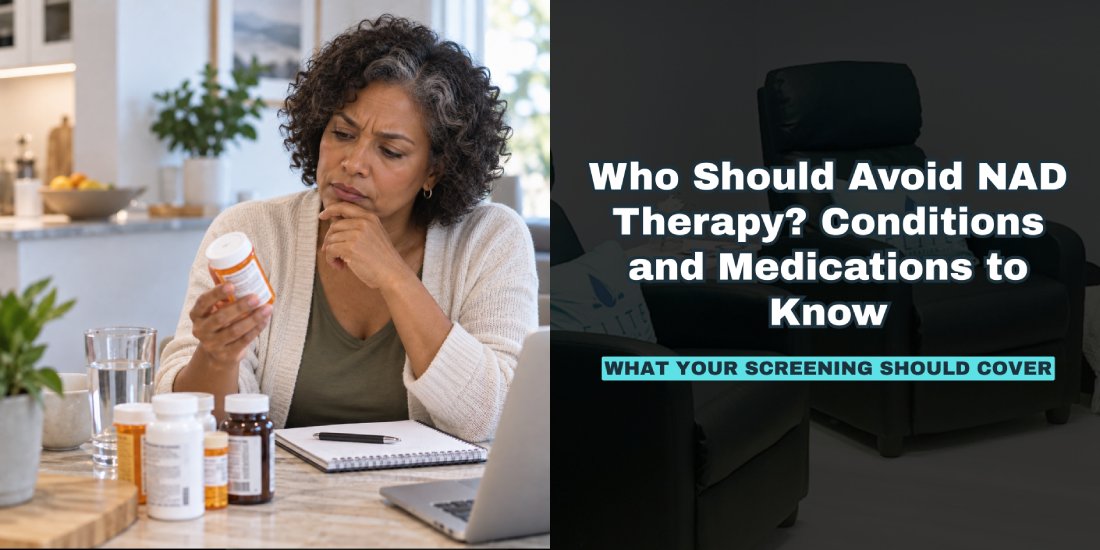
People with certain pre-existing health conditions, allergies, or who are pregnant should discuss NAD therapy with a provider before starting, since these factors can affect both risk and appropriateness. A proper screening conversation before your first session is the right place to raise any concerns.
An Honest Picture, Not a Scary One
The honest picture here is reassuring more than alarming: most people experience mild, short-lived reactions tied directly to infusion speed, and the more serious risks are genuinely rare, especially under proper medical supervision. Knowing what’s normal, what helps, and what would actually warrant concern lets you go into a session informed rather than anxious.
If you’re weighing whether the benefits are worth it, our article tackling what are the benefits of NAD+ infusion therapy rounds out the other half of that decision. That’s true whether your goal is general wellness or specifically NAD+ therapy for anti-aging.
Book a Safely Supervised NAD Session at Elite IV Hydration
Considering NAD+ therapy but want the full picture first? Our licensed team screens every client, paces every infusion for comfort, and monitors you throughout your session. Call (941) 388-8723 or book a consultation to talk through what to expect before you commit to anything.