“I’ve been exhausted for months. Not the kind of tired a good night’s sleep fixes, but bone-deep, can’t-get-through-the-afternoon exhausted. My doctor ran bloodwork and said my iron is really low, borderline anemic. She mentioned I could try iron pills, but a friend of mine did those for a year and said they tore up her stomach and barely moved her numbers. Then she got an iron IV infusion and said she felt like a new person within a week or two. I keep seeing it offered around Lakewood Ranch now. What actually is an iron IV infusion, and is it something I should look into?
That cycle of relentless fatigue, frustrating iron pills, and wondering whether there’s a faster way is one of the most common reasons people start looking into iron infusions around Lakewood Ranch and Sarasota.
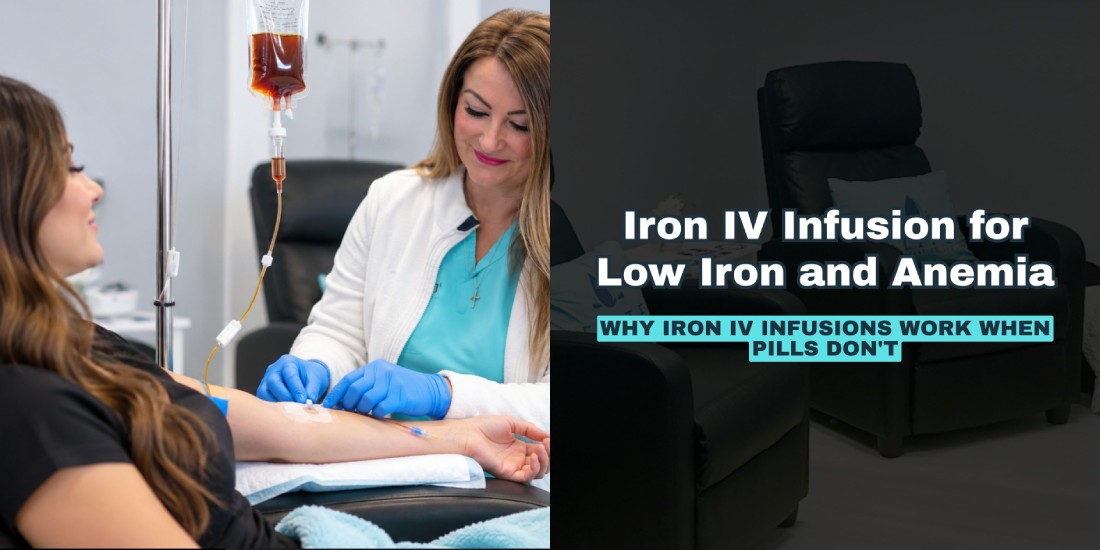
An iron IV infusion is a treatment that delivers iron directly into your bloodstream through an IV, bypassing the digestive system entirely so your body can use it quickly and completely. It’s used primarily for people with iron deficiency or iron-deficiency anemia, especially those who can’t tolerate oral iron, don’t absorb it well, or need their levels restored faster than pills allow. Because the iron goes straight into the blood rather than through the gut, an iron IV infusion avoids the stomach upset and poor absorption that make oral iron so frustrating for many people, and the results often show up within a couple of weeks rather than months. At Elite IV Hydration in Lakewood Ranch, iron infusions are part of a broader menu of IV infusion therapy, and the right starting point is always confirming low iron through bloodwork before treatment.
For anyone dragging through the day with low iron and tired of pills that don’t work, understanding what an iron IV infusion is, who actually needs one, and what to expect is what turns a vague idea into an informed decision.
Key Takeaways
- Iron goes straight into the bloodstream. An IV bypasses the gut, so your body absorbs the iron quickly and completely.
- Best for low iron and anemia. It helps people with iron deficiency, especially those pills don’t work for.
- Bloodwork comes first, always. Iron levels should be confirmed through testing before any infusion is considered.
- Results show up fast. Many people feel a difference within one to two weeks, not months.
- A consultation shapes the plan. Your iron levels and health history determine whether an infusion fits and how many you need.
What is an iron IV infusion and how does it work?
An iron IV infusion delivers a dose of iron directly into your vein through an IV line, allowing the iron to enter your bloodstream immediately rather than passing through your digestive system first. This is the fundamental difference between an infusion and an iron pill, and it’s the reason infusions work so well for people who struggle with oral iron.
When you take an iron tablet, it has to survive your stomach acid, get absorbed through your intestinal wall, and make its way into your blood. For many people, that process is inefficient. The gut only absorbs a small fraction of the iron in a pill, the rest often causes nausea, constipation, and stomach pain, and certain foods and medications block absorption further. An iron IV infusion sidesteps all of that. The iron is delivered in a form your body can use right away, in a dose far larger than any pill could deliver safely, and without the digestive side effects.
The iron your body receives goes toward rebuilding your stores and supporting the production of hemoglobin, the protein in red blood cells that carries oxygen throughout your body. When iron is low, your body can’t make enough healthy red blood cells, which is why low iron leaves you so tired, foggy, and short of breath. Restoring iron through infusion gives your body the raw material it needs to start making oxygen-carrying cells again. This is the same principle behind why nutrient-focused treatments like B12 shots help with fatigue, since B12 and iron both play central roles in healthy red blood cell production, and deficiencies in the two often overlap.
Who needs an iron IV infusion?
Iron IV infusions are for people with confirmed iron deficiency or iron-deficiency anemia, particularly when oral iron isn’t working or isn’t an option. Not everyone who feels tired needs one, which is exactly why bloodwork matters before treatment. The people who benefit most fall into a few clear categories.
People who can’t tolerate iron pills.
For many, oral iron causes such significant nausea, cramping, and constipation that they can’t stay on it long enough to help. An infusion delivers the iron without touching the digestive system.
People who don’t absorb iron well.
Certain digestive conditions, past weight-loss surgery, and other absorption issues mean the gut simply can’t take in enough iron from food or pills, no matter how much is consumed. Infusion bypasses the absorption problem entirely.
People who need iron restored quickly.
When iron is very low or symptoms are significant, waiting months for pills to slowly rebuild stores isn’t practical. Infusions restore levels much faster.
Women with heavy periods or recent pregnancy.
Menstrual blood loss and the demands of pregnancy and postpartum recovery are among the most common causes of iron deficiency, which is why low iron is so much more common in women.
People with chronic low iron despite trying everything.
Some people do everything right with diet and supplements and still can’t get their levels up. For them, infusion is often the treatment that finally works.
The common thread is a confirmed deficiency, not just a hunch. A simple blood test measuring ferritin and iron levels tells you whether low iron is actually the problem, which is the honest starting point before any infusion. Choosing where to have that conversation matters too, and knowing what to look for in a Sarasota IV clinic helps you find a provider that takes screening and safety seriously rather than treating iron like just another wellness add-on.
Why choose an iron IV infusion over iron pills?
The choice between an iron infusion and oral iron comes down to tolerance, absorption, and speed. Pills work fine for some people, but for many, the infusion solves problems that pills simply can’t. The chart below lays out the practical differences.
| Factor | Iron Pills | Iron IV Infusion |
|---|---|---|
| Absorption | Small fraction absorbed through the gut | Delivered directly into the bloodstream |
| Digestive side effects | Common (nausea, constipation, cramping) | Avoided, since the gut isn’t involved |
| Speed of results | Weeks to months | Often one to two weeks |
| Dose per session | Small | Much larger, restoring stores faster |
| Best for | Mild deficiency, good tolerance | Poor tolerance, poor absorption, significant deficiency |
The infusion isn’t automatically better for everyone. For someone with mild deficiency who tolerates pills well, oral iron is a reasonable and inexpensive first step. But for the large number of people who can’t absorb or can’t stomach oral iron, the infusion is often the difference between staying tired for months and actually feeling better. This is the same reason people turn to IV delivery for other nutrients, and understanding how long IV hydration lasts helps set realistic expectations for how IV-delivered treatments work in the body over time.
What to expect during an iron IV infusion
Knowing what actually happens during an iron infusion takes a lot of the anxiety out of booking one. The process is straightforward and comfortable, though it does take longer than a standard hydration drip because iron is delivered slowly and carefully.
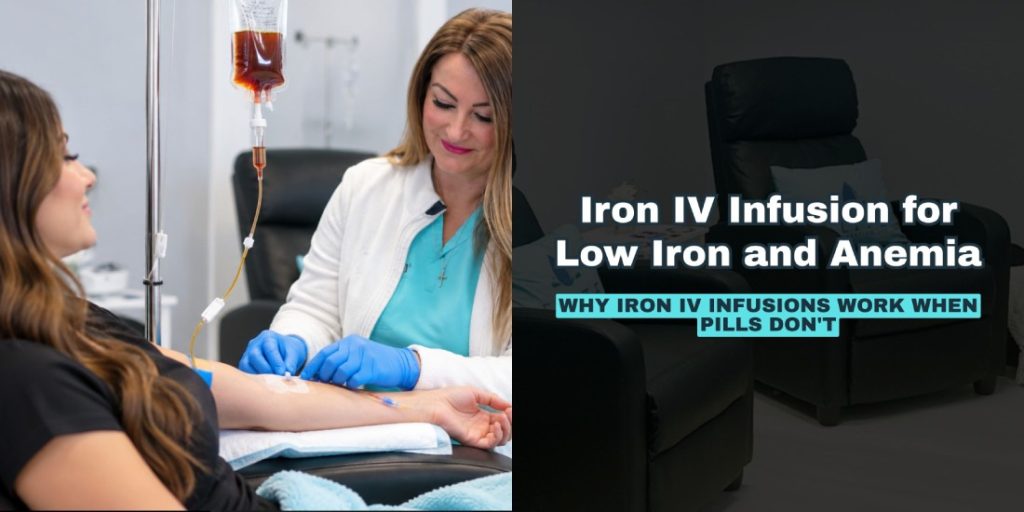
The session starts with a review of your bloodwork and health history to confirm an infusion is appropriate and determine the right dose. Once you’re settled in, a provider places an IV, usually in your arm, the same way as any other IV treatment. The iron is then delivered slowly over a period that typically ranges from 30 minutes to a couple of hours depending on the dose and the specific iron formulation used. You’re monitored throughout, since iron infusions are given carefully to watch for any reaction.
During the infusion, most people simply relax, read, or scroll on their phone. Afterward, you can usually return to your normal day, though some people feel a little tired or notice mild effects for a day or so. Depending on how low your iron is, you may need a single infusion or a short series of sessions to fully restore your stores, which is determined by your levels and your provider’s recommendation. Because iron infusion is a form of medical infusion therapy rather than a quick wellness pick-me-up, the pacing and monitoring are part of what keeps it safe and effective.
How iron infusion fits into a bigger wellness picture
For many people, low iron is one piece of a larger energy and wellness puzzle rather than the whole story. Fatigue, brain fog, and low stamina can stem from several overlapping factors, which is why iron infusion often works best as part of a thoughtful, individualized approach rather than a one-off fix.
Iron commonly shows up alongside other deficiencies. Low vitamin D, low B12, and dehydration can all compound the fatigue of low iron, which is why a complete approach looks at the whole picture rather than treating iron in isolation. Addressing the full set of contributors is the idea behind personalized wellness programs, which build a plan around your specific needs rather than a generic drip. For people who travel often or have packed schedules, iron and other treatments can even be delivered through a mobile IV drip at home or a hotel, making it easier to stay consistent with treatment.
The key is starting with the facts. Bloodwork confirms what’s actually low, a consultation shapes the right plan, and from there iron infusion can be a powerful part of getting your energy back. Several companion topics are worth understanding as you consider treatment: iron infusion for anemia specifically, the signs you may need an iron infusion, the real benefits and how fast they show up, the side effects to know about, and why low iron is so common in women. Each one digs deeper into a piece of the iron infusion picture.
Frequently Asked Questions
How do I know if I actually need an iron IV infusion?
The only reliable way is a blood test that measures your iron and ferritin levels. Symptoms like fatigue, brain fog, shortness of breath, and hair thinning can point toward low iron, but they overlap with many other conditions. A simple blood draw confirms whether iron deficiency is the real issue, which is why reputable providers want to see bloodwork before recommending an infusion rather than treating based on symptoms alone.
How quickly will I feel better after an iron infusion?
Many people notice improved energy and reduced fatigue within one to two weeks, though it varies based on how low your iron was and your overall health. Some feel a difference sooner, others take a bit longer as the body rebuilds its iron stores and ramps up healthy red blood cell production. This is generally much faster than oral iron, which can take months to move your levels meaningfully.
Is an iron IV infusion safe?
Iron infusions are considered safe when given by trained providers with proper screening and monitoring, which is why the iron is delivered slowly and you’re watched throughout the session. Like any medical treatment, it carries some risk, and reactions are possible though uncommon. The safeguards that matter most are confirming your iron is genuinely low through bloodwork, reviewing your health history, and having the infusion done somewhere that takes monitoring seriously.
How many iron infusions will I need?
It depends on how depleted your iron stores are. Some people need just one infusion, while others need a short series of sessions to fully restore their levels. Your provider determines this based on your bloodwork and how your body responds. The goal is to rebuild your stores to a healthy level, not to keep you coming back indefinitely.
Can I just take iron pills instead?
For some people, yes. If your deficiency is mild and you tolerate oral iron well, pills are a reasonable and inexpensive first step. The problem is that many people either can’t absorb oral iron properly or can’t tolerate the digestive side effects, which is exactly when an infusion makes sense. If pills have failed you before or your levels are significantly low, an infusion is often the treatment that actually works.
Getting Your Energy Back Starts With the Right Information
An iron IV infusion is a genuinely effective treatment for the right person, delivering iron directly into the bloodstream to restore low levels quickly and comfortably, without the stomach upset and slow absorption that make oral iron so frustrating. It’s not for everyone, and the honest starting point is always confirming low iron through bloodwork rather than guessing from symptoms. For people who can’t tolerate pills, don’t absorb iron well, or need their levels restored faster than oral iron allows, an infusion can be the difference between months of fatigue and feeling like yourself again within a couple of weeks. The path forward is simple: confirm your levels, talk through your options, and build a plan that fits your actual needs.
Ready to Find Out if an Iron IV Infusion Is Right for You?
If you’re tired of running on empty and wondering whether low iron is the cause, call Elite IV Hydration at (941) 388-8723 to talk through your options for iron infusion therapy in Lakewood Ranch and the greater Sarasota area. Bring your recent bloodwork or ask about getting your levels checked first, and our team will help you understand whether an iron infusion fits your situation. It also pairs well with a B12 shot for an added energy boost when low iron and low B12 go hand in hand.