Key Takeaways
Natural Support For Joint Discomfort
High dose ozone therapy is a wellness option that supports the body’s natural anti-inflammatory and regenerative processes, which can help with joint pain and mobility.
Option When Traditional Treatments Fall Short
Many people turn to it after exhausting traditional options for chronic joint discomfort, stiffness, and reduced range of motion.
How Ozone Works In Your Body
The therapy works by saturating the blood with medical-grade ozone, which may support oxygen delivery, circulation, and tissue repair.
Short Sessions With Cumulative Benefits
Sessions are typically short, well-tolerated, and stack well with other wellness modalities for cumulative results.
Right Clinic Drives Real Results
Choosing a clinic with experienced practitioners and proven protocols makes a meaningful difference in outcomes.
The simple version of high dose ozone therapy for joint pain and mobility support: it’s a wellness modality that uses medical-grade ozone to support the body’s natural inflammatory response, oxygen delivery, and tissue repair, which often translates to less stiffness and better movement over time.
It’s not an instant fix, but for many people dealing with chronic joint discomfort, joint pain and mobility support through high dose ozone has become a key part of how they keep moving. Below is a full look at how the therapy works and what to expect from a session.
How Does High Dose Ozone Therapy Support Joint Pain?
High dose ozone therapy supports joint pain and mobility support by influencing several of the body’s natural systems at once. It’s not targeting the joint directly the way an injection would. Instead, it works through the bloodstream to support the conditions that allow the body to recover and function better.
What the therapy can support:
- Oxygen delivery to tissues that may be under-oxygenated due to inflammation
- Circulation in areas affected by stiffness or restricted movement
- The body’s natural anti-inflammatory response
- Cellular energy production to support tissue repair
- Immune system regulation in cases of chronic low-grade inflammation
Research backs up the approach. A 2023 observational study published through the Italian Scientific Society of Oxygen-Ozone Therapy followed 250 patients receiving ozonated blood therapy for knee osteoarthritis and reported significant improvements in standardized pain and joint function measures (WOMAC and Lequesne scores), with the authors highlighting ozone’s ability to modulate the immune response and reduce inflammation
The result is often a gradual improvement in how joints feel and function, particularly when sessions are spaced thoughtfully over several weeks.
Who Tends to Benefit Most From This Therapy?
The people who get the most from high dose ozone therapy for joint pain and mobility support usually share a few common traits. They’ve often tried conventional options without lasting results, and they’re willing to give the therapy enough time to build cumulative effects.
Common reasons people seek out the therapy:
- Chronic joint stiffness that limits daily movement
- Post-injury recovery that’s plateaued with conventional care
- Age-related wear in knees, hips, shoulders, or hands
- Inflammatory conditions affecting multiple joints
- Athletic recovery for those returning to or staying in training
A clinic with experienced practitioners will assess your specific situation before recommending a protocol, since not every case is a fit.
What Happens During a Session?
A typical session is shorter and more relaxed than most people expect. Many describe it as similar to giving blood, with the addition of the ozone treatment process before the blood returns to the body.
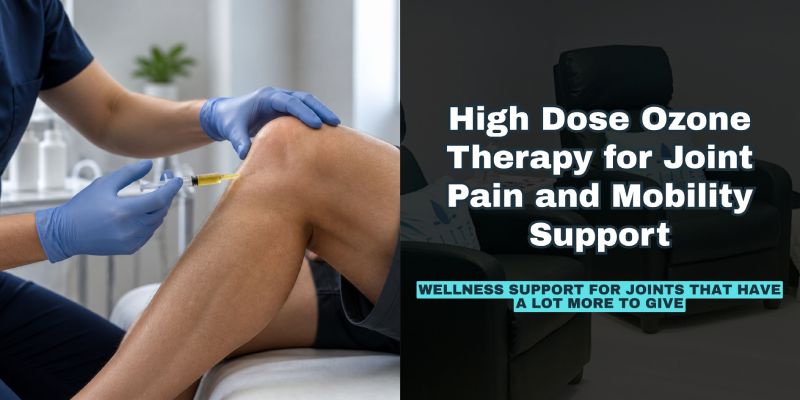
Picture this: you arrive at the clinic, settle into a comfortable chair, and a practitioner places a small IV line. A measured volume of blood is drawn into a sterile, closed system, where it’s combined with medical-grade ozone. After a brief mixing process, the ozonated blood is returned to your body through the same IV line. The whole process takes about 60 to 90 minutes, and most people feel noticeably calm and clear-headed afterward.
The session itself is the easy part of any joint pain and mobility support plan. The cumulative benefits build with consistency, which is why most protocols recommend a series of sessions rather than a single visit.
How Often Should You Book Sessions?
Frequency depends on your goals and your starting point, but most protocols for joint pain and mobility support follow a similar arc.
Stage | Recommended Cadence |
Initial loading phase | 2 sessions per week for 2 to 4 weeks |
Building phase | 1 session per week for 4 to 6 weeks |
Maintenance phase | 1 to 2 sessions per month, ongoing |
Acute flare support | Short-term boost as needed |
Your practitioner will adjust the cadence based on how your body responds, and many clients eventually settle into a comfortable maintenance rhythm that fits their schedule.
What Can You Pair With Ozone Therapy for Better Results?
Ozone high-dose therapy works well as a standalone treatment, but many people layer it with complementary services to deepen and accelerate results. The pairing depends on your goals, your schedule, and what your body responds to.
Common stacks include:
- HD Ozone UV therapy for added oxidative and immune support
- IV hydration to optimize nutrient delivery alongside the ozone work
- Ozone sauna sessions for whole-body detox and circulation support
- Peptide therapy for clients focused on tissue repair and recovery
- Ionic foot baths as a gentle complement on rest days
A skilled wellness team will help you build a stack for joint pain and mobility support that fits your specific situation rather than pushing every available service.
How Does HD Ozone UV Therapy Compare?
HD ozone UV therapy combines high dose ozone with ultraviolet light exposure during the treatment process, which adds another layer of oxidative and antimicrobial support. For some clients, the combination feels noticeably more effective than ozone alone, particularly when chronic inflammation or recurring infections are part of the picture.
The session experience is very similar to standard high dose ozone therapy. The blood passes through a UV chamber as part of the treatment process, and the rest of the visit follows the same flow. For clients trying to recover faster from illness alongside addressing joint discomfort, the combined approach can be especially supportive.
How Should You Prepare for a Session?
A little preparation goes a long way toward making each session more effective and comfortable.
What to do beforehand:
- Hydrate well the day before and the morning of
- Eat a light meal an hour or two before the session
- Avoid heavy alcohol for 24 to 48 hours prior
- Wear comfortable clothing that allows easy IV access
- Mention any new medications or supplements at check-in
Scheduling sessions on slower days also helps you get the full benefit of any joint pain and mobility support protocol without rushing back into stress.
How Do You Choose the Right Clinic?
Picking the right wellness clinic for joint pain and mobility support matters as much as picking the therapy itself. Not every provider runs the same protocols, and the difference shows up in your results.
What to look for:
- Trained practitioners with experience in ozone protocols
- Sterile, closed-loop equipment for every session
- A pre-treatment consultation that covers your goals and history
- Transparent pricing and packaging without high-pressure sales
- A wellness philosophy that matches your overall approach
A clinic that takes its work seriously will happily walk you through its setup, protocols, and reasoning before you commit to anything.
Movement That Feels Like Yours Again
The right therapy supports your body in finding its own rhythm again, and high dose ozone work has helped many of our clients do exactly that. Elite IV Hydration offers thoughtful protocols, experienced practitioners, and a calm setting at both Lakewood Ranch and Sarasota locations. Call (941) 388-8723 or book online to start a conversation about what’s possible.
Frequently Asked Questions
Is high dose ozone therapy painful?
No. Most clients compare it to a routine blood draw, with no pain during the ozone treatment process itself.
How quickly will I notice changes?
Some clients feel shifts after the first few sessions, while others notice the cumulative effects after several weeks of consistent treatment.
Can I do this if I'm on medication?
In many cases, yes, but always disclose your full medication list during your consultation so the practitioner can tailor the protocol appropriately.