“I’m interested in trying NAD therapy, but I have a couple of health conditions and I’m on a few regular medications. I don’t want to waste anyone’s time asking about it if I’m just going to be told I’m not a candidate, but I also can’t find a clear answer online about who’s actually supposed to avoid this. Is there an actual list somewhere, or am I just going to have to ask and find out?”
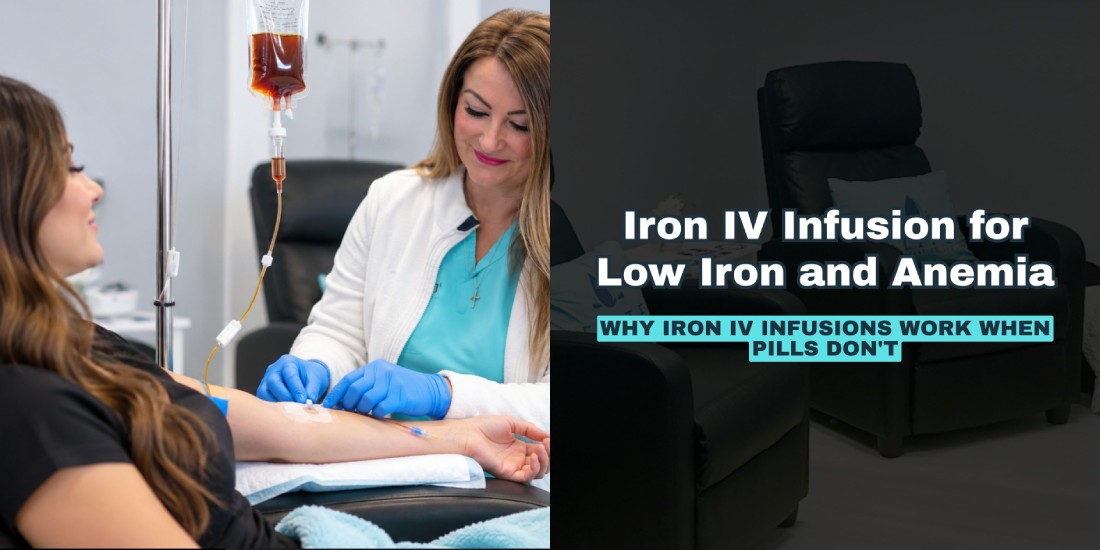
There isn’t a simple, universal list, and that’s worth saying honestly rather than pretending otherwise. Who should avoid NAD therapy really comes down to your specific combination of health history, current medications, and any underlying conditions, reviewed directly by a qualified provider, not a generic checklist that applies the same way to everyone. Understanding what NAD+ therapy actually involves helps explain why individual screening matters so much here, since it’s an IV-delivered treatment that interacts with your body’s cellular processes in ways that depend heavily on your specific health picture.
Key Takeaways
- There’s no single universal list determining candidacy. It depends on your specific health history, not a generic set of rules.
- Pregnancy and breastfeeding generally call for caution. Most IV-based therapies, including this one, aren’t well studied in these situations, so providers typically recommend waiting.
- Significant kidney or liver conditions are worth flagging directly. These organs play a role in processing what enters your bloodstream, which makes them relevant to disclose during screening.
- Certain cardiovascular conditions may affect candidacy. IV infusions involve real fluid volume, which is a relevant factor for anyone with a significant heart-related condition.
- Current medications need to be disclosed in full. Certain medications may interact with IV therapies in ways that aren’t obvious without a proper review.
- Active illness or infection is generally a reason to wait. This is a common, general precaution across most elective IV treatments, not specific to NAD therapy alone.
What General Categories Call for Extra Caution?
A handful of broad categories tend to come up during screening conversations, though none of these are automatic disqualifiers on their own. Each one is something your provider needs to know about directly, since the actual decision depends on your specific situation, not the category alone, and the same condition can play out very differently from one person to the next.
1. Pregnancy and Breastfeeding
IV-based therapies generally aren’t well studied in pregnant or breastfeeding individuals, and NAD therapy is no exception. Most providers recommend waiting until after pregnancy and breastfeeding have concluded, simply because there isn’t enough research to confidently support use during these periods, not because of a known specific risk that’s been identified.
2. Significant Kidney or Liver Conditions
Your kidneys and liver play a role in processing substances that enter your bloodstream, which makes any significant condition affecting either organ relevant to disclose during screening. This doesn’t automatically rule someone out, but it does mean a provider needs the full picture before recommending a course of treatment.
3. Certain Cardiovascular Conditions
IV infusions introduce real fluid volume into your system over the course of a session, which is a relevant consideration for anyone managing a significant heart-related condition. A provider reviewing your cardiovascular history can determine whether this is something to be cautious about in your specific case.
4. Current Medications
Certain medications can interact with IV-delivered therapies in ways that aren’t always obvious without a proper review of what you’re currently taking. This is exactly why a thorough medication history, not just a quick mention, is part of a responsible intake process rather than an optional formality.
5. Active Illness or Infection
Most providers recommend waiting on elective IV treatments during active illness or infection, since your body is already working to manage something else and adding an additional treatment isn’t typically the priority at that moment. This is a general precaution that applies broadly, not something specific to NAD therapy alone.
Why a Generic Checklist Isn’t Enough
A list like this can point you toward what’s worth mentioning, but it can’t actually determine whether NAD therapy is appropriate for you specifically. Two people with the same general condition can have very different overall health pictures once medications, severity, and other factors are considered together, which is exactly why a real screening conversation matters more than checking boxes against a generic list found online, and it’s also why no article, including this one, should be treated as the final word on your candidacy.
What Does the Screening Process Actually Involve?
A responsible intake process starts with a detailed conversation about your full medical history, current medications and supplements, and any conditions you’re managing, not just a quick form. From there, a qualified provider can tell you honestly whether NAD therapy is appropriate for your specific situation, whether any precautions are needed, or whether it’s worth holding off for now.
Understanding what side effects are actually considered normal is also a reasonable part of that same conversation, since knowing what to expect ahead of time is part of making an informed decision either way.
Frequently Asked Questions
Does having one of these conditions automatically disqualify me from NAD therapy?
Not necessarily. These are factors worth discussing directly with a provider, not automatic disqualifiers, since the actual decision depends on the specifics of your situation.
Should I disclose all my medications even if I don’t think they’re relevant?
Yes, always. A medication that seems unrelated to you might still be relevant to a provider reviewing your full picture, so full disclosure is the safer and more responsible approach.
Can I still explore other wellness options if I’m not a candidate for NAD therapy right now?
Often yes. A qualified provider can help you understand what other options might be more appropriate for your specific situation, including exploring the broader range of longevity-focused treatments available.
How honest do I need to be about my health history during screening?
Completely honest. Leaving out details, even ones that feel minor or unrelated, can affect whether a provider can accurately assess whether NAD therapy is appropriate for you.
Is it worth scheduling a consultation even if I’m not sure I’m a candidate?
Yes, this is exactly what a consultation is for. It’s the most reliable way to get an honest, individualized answer rather than guessing based on general information.
An Honest Answer Requires a Real Conversation
Who should avoid NAD therapy isn’t answered by a simple checklist, it depends on your specific health history, current medications, and any conditions you’re managing, reviewed directly by a qualified provider. Pregnancy, significant kidney or liver conditions, cardiovascular concerns, certain medications, and active illness are all worth disclosing openly, but none of them automatically settle the question on their own.
If you’re unsure whether NAD therapy is right for you, the most reliable next step is an honest conversation, not a guess based on a general list.
Still Wondering if NAD Therapy Is for You? Call Elite IV Hydration Today!
Our team can walk through your specific health history honestly and let you know whether NAD therapy is appropriate for you, without assuming anything based on a general checklist. Call (941) 388-8723 or visit eliteivhydration.com to schedule a consultation.