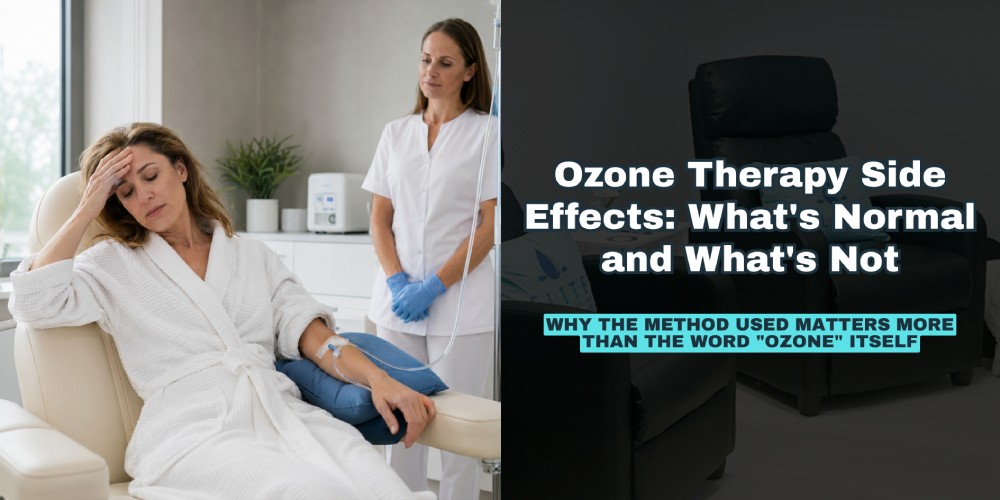
"I started looking into ozone therapy for immune support, and then I fell down a research rabbit hole that scared me. I found articles mentioning serious complications, even deaths, linked to ozone treatments. But I also see wellness clinics offering it regularly, and people who swear by it. I don't know what to believe. Are the scary stories about a totally different kind of ozone therapy than what clinics like yours actually do, or is this genuinely risky no matter how it's administered?"
The serious, well-documented risks associated with ozone therapy, including gas embolism and the rare fatalities that have been reported, are almost entirely linked to directly injecting ozone gas into a vein, a practice that reputable clinical sources explicitly warn against and that legitimate providers don’t perform. The method used in properly administered treatment, called autohemotherapy, works differently: a small amount of blood is drawn, mixed with ozone outside the body, and then reinfused, which avoids that specific danger entirely.
With this method, most people experience only mild, temporary reactions, and serious complications are genuinely rare. Understanding this distinction is the single most important thing to know before your first session.
Key Takeaways
Method changes the risk profile completely.
Direct injection of ozone gas into a vein carries serious, documented risks that autohemotherapy avoids.
Autohemotherapy is the established safer approach.
Blood is ozonated outside the body, then returned, which is how legitimate providers operate.
Most common reactions are mild and temporary.
A flu-like feeling, mild fatigue, or headache are the most frequently reported effects.
Real contraindications exist.
Certain conditions, especially G6PD deficiency, make ozone therapy unsafe regardless of method.
Ozone therapy isn't FDA-regulated in the U.S.
This is worth knowing honestly before you start treatment.
Provider training and protocol matter enormously.
Sterile equipment, precise dosing, and proper monitoring are what keep risk low.
Why Method Matters More Than the Word "Ozone" Itself
Not all ozone therapy is the same procedure, and that distinction is the most important thing to understand about its safety profile. Injecting ozone gas directly into a vein carries a real, documented risk of gas embolism, where gas bubbles block blood flow and can cause serious complications, including stroke or heart attack. This is exactly the practice that clinical sources warn against, and it’s not how legitimate, medically supervised clinics administer treatment.
Autohemotherapy avoids that danger by mixing ozone with a small sample of blood outside the body before returning it, rather than injecting gas directly into a vein. That difference in technique is why HD Ozone UV Therapy vs traditional ozone treatments genuinely matters as a comparison, since the method used changes the safety picture substantially, not just the branding.
Common, Mild Ozone Therapy Side Effect
These are the reactions most people actually experience with properly administered treatment, and nearly all of them are temporary.
1. A Flu-Like Reaction
Sometimes called a Herxheimer-like reaction, this temporary flu-like feeling can occur as the treatment supports the immune system’s response to pathogens. It’s the most commonly reported reaction and typically resolves within a short time.
2. Mild Fatigue
Some people feel more tired than usual for a day or so after a session. This is generally mild and passes on its own.
3. Headache
A mild headache during or after treatment is a commonly reported reaction, usually resolving without any specific intervention.
4. Achiness
General body ache, similar to feeling run down, can occur temporarily and is typically managed by adjusting the dose or pace of subsequent sessions.
5. Mild Discomfort at the Blood Draw Site
Since autohemotherapy involves a blood draw, minor discomfort, redness, or bruising at that site is common with any procedure involving a needle and generally resolves quickly.
Rare but Serious Risks to Know About
Beyond the mild, common reactions above, a small number of more serious risks exist, and being aware of them is part of making an informed decision:
- Gas embolism, which is rare with properly performed autohemotherapy but is the primary danger associated with improper, direct gas injection.
- Allergic-type reactions, which are uncommon but possible with any medical procedure.
- Infection, which proper sterile technique and single-use equipment are specifically designed to prevent.
- Reactions in people with G6PD deficiency, a genetic condition where ozone’s oxidative effect can cause dangerous red blood cell breakdown, which is why proper screening matters.
These risks underscore why provider training, sterile protocol, and careful screening exist to keep ozone therapy side effects mild and manageable, not reasons to assume the therapy is unsafe when performed correctly.
Real Contraindications for Ozone Therapy
Certain health conditions make ozone therapy inappropriate, most importantly G6PD deficiency, along with pregnancy, recent heart attack, active bleeding, uncontrolled hyperthyroidism, and certain blood or clotting conditions. This is exactly why proper screening before treatment matters so much, and it’s worth reviewing who is a good candidate for IV ozone therapy in more depth if you’re unsure whether your health history is a fit.
Is Ozone Therapy FDA-Approved?
It’s important to be direct about this: ozone therapy is not currently regulated by the FDA in the United States, and the agency has issued cautions citing insufficient evidence of safety and effectiveness for many claimed uses. That doesn’t mean the therapy has no legitimate use or research behind it, but it does mean you should go in with realistic expectations and choose a provider who is transparent about this rather than one who oversells certainty that doesn’t exist. Understanding what HD Ozone UV Therapy is and how it supports the immune system is a good way to see how a specific protocol is actually described versus vague marketing claims.
When Should You Be Concerned?
Mild fatigue, a passing headache, or a short-lived flu-like feeling are expected and not cause for alarm. What does warrant immediate medical attention is any sign of a true allergic reaction, sudden chest pain or difficulty breathing, or any symptom that feels significantly beyond the mild reactions described above. If anything like this happens during or after a session, contact your provider or seek medical care right away.
Frequently Asked Questions
Are ozone therapy side effects dangerous?
For properly administered autohemotherapy, most reactions are mild and temporary, including flu-like feelings, fatigue, and headache. The serious risks associated with ozone therapy are overwhelmingly linked to improper direct injection of ozone gas, a method legitimate providers don’t use.
What's the difference between autohemotherapy and direct ozone injection?
Autohemotherapy draws blood, mixes it with ozone outside the body, and returns it, avoiding the risk of gas entering the bloodstream directly. Direct injection of ozone gas into a vein carries a documented risk of gas embolism and is not how reputable, medically supervised clinics operate.
Who should avoid ozone therapy entirely?
People with G6PD deficiency should avoid ozone therapy, since it can trigger dangerous red blood cell breakdown in that condition. Pregnancy, recent heart attack, active bleeding, and certain other conditions are also contraindications, which is why proper screening before treatment matters.
Is ozone therapy FDA-approved?
No. Ozone therapy is not currently regulated by the FDA in the United States, and the agency has cautioned that evidence for safety and effectiveness is limited for many uses. A transparent provider will be upfront about this rather than implying more certainty than currently exists.
How do I know if a provider is administering ozone therapy safely?
Look for a licensed provider using autohemotherapy rather than direct gas injection, sterile single-use equipment, proper health screening before treatment, and monitoring during your session. These are the protocols that keep the genuinely rare serious risks low.
An Honest Picture, Not a Scary One
The frightening stories about ozone therapy that circulate online are largely real, but they’re tied to a specific, dangerous method that legitimate providers don’t use. Properly administered autohemotherapy carries a very different, far milder risk profile, mostly temporary, manageable reactions rather than the serious complications linked to direct gas injection.
Knowing that distinction, along with the real contraindications and the honest regulatory picture, lets you make an informed choice instead of either dismissing legitimate concerns or being needlessly frightened away from a properly supervised option. If you’re weighing whether it fits your goals, 5 major benefits of ozone therapy rounds out the other side of that decision.
Get Screened Properly at Elite IV Hydration
Considering ozone therapy but want the honest picture first? Our team uses proper autohemotherapy protocol, screens every client, and monitors each session closely. If you’d like to see where you stand before booking, is high dose ozone UV treatment right for you is a helpful starting point.
Call (941) 388-8723 or book a consultation to talk through your health history and what to realistically expect.