Key Takeaways
Why Your Body Feels Shaky
Hangover shakiness is a common but uncomfortable symptom caused by dehydration, low blood sugar, electrolyte imbalances, and nervous system overactivity.
Alcohol Hits Multiple Systems Simultaneously
Alcohol disrupts multiple body systems at once, which is why shakiness often comes with nausea, headaches, fatigue, and brain fo
IV Therapy Delivers Fast Relief
Hydration IV therapy delivers fluids, electrolytes, and key nutrients directly into the bloodstream for fast, effective relief.
Noticeable Results Within An Hour
Most patients feel significantly better within 30 to 60 minutes of treatment.
Trusted Provider Customizes Your Drip
Working with a trusted wellness provider ensures the right blend of fluids and nutrients to match your specific needs.
Few hangover symptoms are as unsettling as the shaky, jittery feeling that takes over the morning after a night out. Understanding hangover shakiness causes is the first step toward fixing them quickly, and it turns out there’s real biology behind why your body trembles after drinking. Dehydration, low blood sugar, electrolyte imbalance, and nervous system disruption all play a role.
The good news is that addressing hangover shakiness causes doesn’t require waiting hours for water and food to do their work. IV drip therapy delivers fluids, electrolytes, and nutrients directly into your bloodstream, providing rapid relief that’s hard to match with anything else. Here’s a complete look at why hangover shakes happen and how IV hydration helps you feel like yourself again.
What Are the Main Hangover Shakiness Causes?
The shakes after drinking aren’t random. They’re the result of several specific physiological disruptions that all happen at the same time. Knowing the hangover shakiness causes helps explain why some hangovers feel so much worse than others and why traditional remedies sometimes fall short.
1. Dehydration
Alcohol is a diuretic, which means it forces your body to lose more water than you take in. By the morning, your cells, blood vessels, and brain are operating on significantly less fluid than they need, which directly contributes to the muscle tremors that show up as the most common of all hangover shakiness causes.
Dehydration also concentrates blood, which raises heart rate and triggers the nervous system to compensate, all of which combine to produce that jittery, unsettled sensation.
2. Low Blood Sugar
Alcohol interferes with the liver’s ability to release stored glucose, which can leave your blood sugar lower than normal the morning after drinking. Low blood sugar is one of the most common hangover shakiness causes, and it produces tremors, weakness, and a feeling of unease.
This is why eating a balanced meal often helps, but blood sugar restoration through food alone takes time and doesn’t address the other factors driving the shakes.
3. Electrolyte Imbalances
Frequent urination from alcohol depletes essential electrolytes including sodium, potassium, magnesium, and calcium. These minerals play a critical role in nerve signaling and muscle function, and when they drop too low, your muscles can twitch, tremble, or feel weak.
Electrolyte imbalance is one of the most underrated hangover shakiness causes, and it’s often the reason why simply drinking water isn’t enough to feel better.
4. Nervous System Overactivity
Alcohol initially calms the nervous system by enhancing GABA activity (a calming neurotransmitter). As alcohol leaves your system, the brain rebounds with excess glutamate (an excitatory neurotransmitter), which leaves your nervous system in a heightened, overstimulated state.
This rebound effect is one of the main hangover shakiness causes behind the trembling, anxiety, and racing thoughts that often follow a night of heavy drinking.
5. Sleep Disruption
Even if you slept eight hours after drinking, alcohol fragments your sleep cycles and reduces REM sleep dramatically. The result is a body and nervous system that haven’t fully recovered, which contributes to tremors and physical fatigue the next day.
When you stack sleep disruption on top of all the other hangover shakiness causes, the combined effect explains why some hangover days feel almost impossible to push through.
What Really Causes Hangovers Beyond Just Drinking?
Hangovers aren’t just about how much you drank. Several other factors influence how severe the symptoms become, including the type of alcohol, hydration habits during drinking, food intake, sleep quality, and individual genetics.
Knowing what really causes hangovers can help you make smarter choices going forward. Darker liquors with more congeners (like whiskey and red wine) tend to produce worse hangovers. Mixing types of alcohol, drinking on an empty stomach, and skipping water all amplify the effects.
Genetics also play a role in how efficiently your body processes alcohol and recovers from it. Two people drinking the same amount can experience completely different next-day symptoms, which is part of why hangover shakiness causes vary so much from person to person.
How Does IV Hydration Therapy Help With Hangover Symptoms?
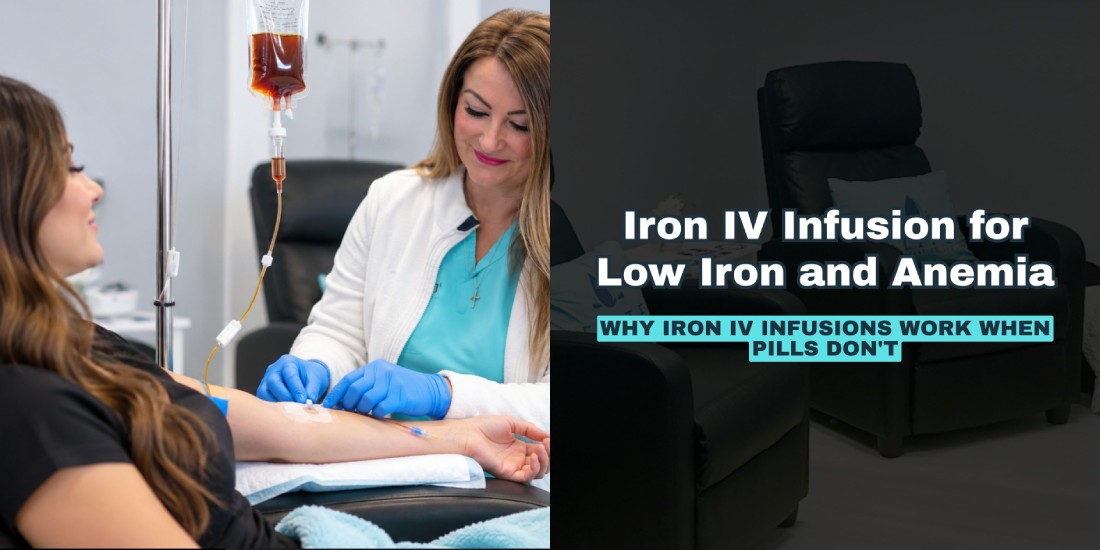
This is where IV therapy makes a dramatic difference. Drinking water and eating food eventually helps, but the absorption is slow and incomplete. An IV drip for hangover recovery delivers fluids, electrolytes, and nutrients directly into your bloodstream, bypassing the digestive system and producing fast, noticeable relief.
The treatment addresses every major contributor among the hangover shakiness causes simultaneously:
Hangover Issue | How IV Therapy Helps |
Dehydration | Direct fluid replacement at 100% absorption |
Low blood sugar | Glucose support through IV solution |
Electrolyte imbalance | Customized electrolyte mix for fast restoration |
Nervous system overactivity | Magnesium and B-vitamin support |
Sleep disruption | Faster recovery from physical and mental fatigue |
Nausea | Anti-nausea medication can be added if needed |
The combined effect explains why most patients feel dramatically better within 30 to 60 minutes of starting their session.
What’s in a Hangover IV Drip?
A quality hangover IV hydration session includes more than just saline. The right blend addresses each of the hangover shakiness causes with targeted ingredients designed to restore balance quickly.
A typical hangover-focused IV usually includes:
- Saline solution for direct fluid replacement
- Electrolytes like sodium, potassium, and magnesium
- B-complex vitamins to support energy and nervous system recovery
- Vitamin C for immune and antioxidant support
- Glutathione to help the liver process alcohol byproducts
- Anti-nausea medication when needed
- Anti-inflammatory medication for headaches or body aches
A good wellness provider will customize the blend based on your symptoms and how severe your hangover actually is.
You Don't Have to Lose the Day Because of Hangovers with IV Drip at Elite IV Hydration
Most of our clients walk in feeling rough and walk out an hour later genuinely ready to get on with their day. The right IV blend, delivered by a trained team, makes a difference you can actually feel. Book your Hangover IV session online or reach us at (941) 388-8723. Lakewood Ranch, Sarasota, and mobile sessions available.
Frequently Asked Questions
Is stem cell therapy for cartilage degeneration painful?
Most patients report only mild discomfort during the procedure, similar to a standard injection. Local anesthesia is used to keep the experience comfortable.
How long is the recovery?
Most patients return to light activity within 24 to 48 hours, with full activity resuming over the following weeks as the regenerative process progresses.
Will I need more than one treatment?
Many patients see strong results from a single session, though some benefit from a series of treatments depending on the severity of their condition.
Is stem cell therapy a substitute for surgery?
For patients with moderate cartilage damage, it can delay or eliminate the need for surgery. For severe cases, it may be combined with other treatments rather than replacing them entirely.
How soon will I notice improvement?
Some patients feel reduced pain within a few weeks, while the cartilage rebuilding benefits usually become noticeable over 3 to 6 months.
Is the treatment covered by insurance?
Most insurance plans don’t currently cover regenerative therapies. Many wellness providers offer payment options to make treatment more accessible.