IV Drip for Expectant Mothers in Sarasota: What to Expect at Your Appointment
Key takeaways
- An IV Drip for Expectant Mothers may be considered when nausea, vomiting, or dehydration make oral fluids tough to keep down—always under medical guidance and in coordination with your OB.
- Standard care for severe vomiting includes IV hydration, electrolyte repletion, and thiamine before dextrose if vomiting has been prolonged.
- Plan on 45–75 minutes for check-in, a gentle IV start, drip infusion, and monitoring.
- You’ll leave with aftercare tips on rest, light meals, and when to call your provider or seek urgent care. Know the warning signs.
If you’re pregnant in Sarasota and dealing with pregnancy morning sickness that’s making hydration a daily battle, you’ve likely heard about IV Drip therapy (also called IV Therapy) as a supportive option. Below, we break down exactly what happens during an appointment at Elite IV Hydration, what’s typically in the drip, safety notes, how to prepare, and what to expect after your visit—so you can walk in confident and informed.
Who might consider an IV Drip for Expectant Mothers?
Most pregnancies don’t require IV fluids. But if you’re struggling to keep liquids down or you’ve been advised by your OB due to dehydration risk, IV hydration services can help restore fluids and electrolytes while you work on controlling nausea with diet and medications your clinician recommends. For severe hyperemesis gravidarum, medical guidance supports IV hydration, vitamins, and electrolytes.
Tip: ACOG suggests aiming for 8–12 cups of water daily during pregnancy; when that isn’t possible, speak with your clinician about options.
Step-by-step: What to expect at your appointment
- Check-in & screening – We’ll review your symptoms, medications, allergies, and a note from (or plans to update) your OB/Midwife.
- Vitals & assessment – We take vitals and discuss recent intake/output to tailor your IV Drip for Expectant Mothers.
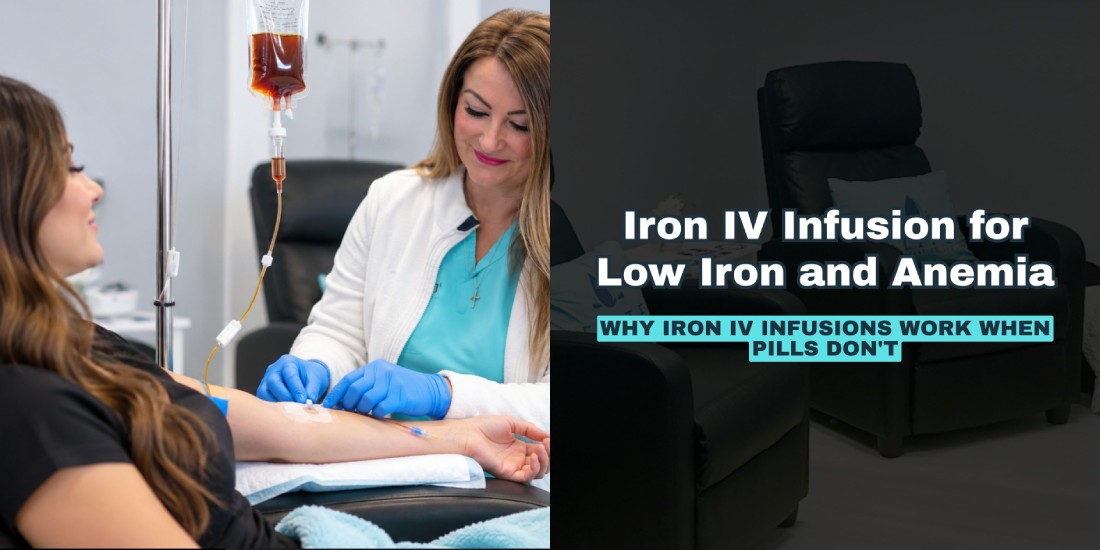
- IV start – A small catheter is placed; most clients describe it as a quick pinch.
- The drip – Hydration typically uses balanced crystalloids (e.g., lactated Ringer’s) or normal saline, with adjustments based on your history. Balanced solutions are widely used for dehydration and are less likely to contribute to acid-base imbalance than large volumes of saline.
- Add-ins (if appropriate & ordered) – Your provider may recommend electrolytes and thiamine (vitamin B1) when vomiting has been prolonged—importantly, thiamine is given before any dextrose to reduce the risk of Wernicke’s encephalopathy.
- Monitoring & wrap-up – We monitor comfort and response, then provide aftercare guidance.
Total time: roughly 45–75 minutes, depending on your vein access, hydration goals, and monitoring needs.
Is it safe?
Any IV carries small risks (bruising, swelling, rare reactions). Your care should be clinician-supervised and coordinated with your OB, especially if you have heart, kidney, or liver disease. Fluid choice matters; balanced fluids are commonly used for dehydration in medical settings, and your provider will select what’s appropriate for you.
What’s typically in the drip?
- Fluids: Normal saline or lactated Ringer’s (balanced electrolytes).
- Electrolytes: Tailored to your needs.
- Vitamins: When vomiting is prolonged, thiamine is standard before any dextrose-containing fluids.
Important: Specific medications for nausea are prescribed by your OB or supervising clinician; we’ll coordinate as needed following established guidelines.
How to prepare
- Eat a light snack (if you can) and wear comfy layers.
- Bring your OB’s contact info and your current meds list.
- Hydrate if able—small sips count.
- Plan a ride if you’re feeling weak or dizzy.
Aftercare: feel your best post-drip
- Rest and choose gentle foods (toast, bananas, broth).
- Keep sipping water/clear fluids as tolerated.
- Track symptoms: if vomiting returns, or you can’t keep fluids down for 12+ hours, call your clinician. The FDA notes to seek care for severe nausea/vomiting with signs of dehydration (dark urine, weakness, lightheadedness), blood in vomit, or notable weight loss.
When to seek urgent care
Get immediate help for urgent maternal warning signs such as worsening headaches, vision changes, chest pain/shortness of breath, high fever, or severe swelling of the face/hands during pregnancy or postpartum.
Quick tips
- Keep plain crackers on your nightstand for early-morning nibbling.
- Try small, frequent meals with ginger or vitamin B6 as discussed with your clinician.
- Avoid triggers (strong smells, long gaps between meals).
- Use your phone to log fluid intake and urine color (aim for pale yellow).
Conclusion
IV Therapy can be a helpful, short-term tool when pregnancy morning sickness makes hydration tough. At Elite IV Hydration in Sarasota, we focus on gentle, evidence-informed iv drip therapy and close communication with your OB—so you can get back to feeling steadier and better hydrated.
Say Bye to Morning Sickness Dehydration
Ready to talk through options or schedule a visit? Search Vitamin IV near me and look for Elite IV Hydration in Sarasota.
Frequently Asked Questions
Is an IV Drip for Expectant Mothers the same as hospital treatment?
It’s a focused hydration visit for mild to moderate needs, with escalation to hospital care if warning signs appear or your OB advises it.
What if I have hyperemesis gravidarum?
That requires coordinated medical care. Evidence-based management includes IV fluids, vitamins (notably thiamine before dextrose), and antiemetics as prescribed.
Which fluid is used—saline or lactated Ringer’s?
Your clinician chooses based on your history. Balanced solutions like lactated Ringer’s are widely used for dehydration and may help avoid acid-base imbalance with large volumes.
How long does the drip take and how will I feel afterwards?
Most sessions run 45–75 minutes. Many clients feel steadier within hours as fluids and electrolytes rebalance, though results vary. Keep following your OB’s plan and hydration goals.
How much should I drink day-to-day between visits?
ACOG suggests 8–12 cups of water daily in pregnancy (more in heat or with exercise). If you can’t keep liquids down, call your clinician.